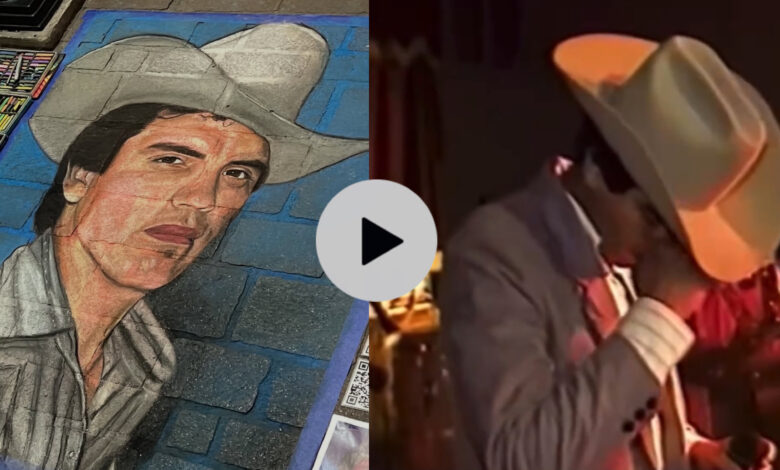
Chalino Sánchez is one of the most legendary and mysterious figures in regional Mexican music. His life story reads almost like a movie—full of hardship, revenge, migration, music, and a tragic ending that only increased his fame. Today, many fans consider him the “King of Corridos,” a man who transformed street stories and real-life struggles into powerful songs that resonated deeply with working-class listeners.
Early Life in Sinaloa
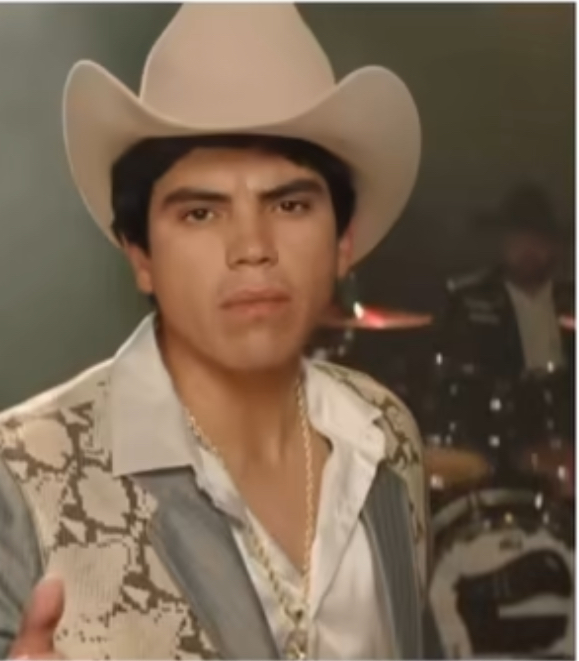
Chalino Sánchez was born on August 30, 1960, in a small rural community called Las Flechas in the municipality of Culiacán, located in the Mexican state of Sinaloa. His full name was Rosalino Sánchez Félix.
He grew up in extreme poverty. Like many families in rural Mexico during that time, his family worked hard just to survive. Chalino’s childhood was shaped by loss and violence. His father died when he was young, and when Chalino was a teenager, tragedy struck again—his sister was reportedly assaulted and killed. According to stories that later became part of his legend, Chalino sought revenge against the man responsible.
This event forced him to flee Mexico while still very young.
Migration to the United States
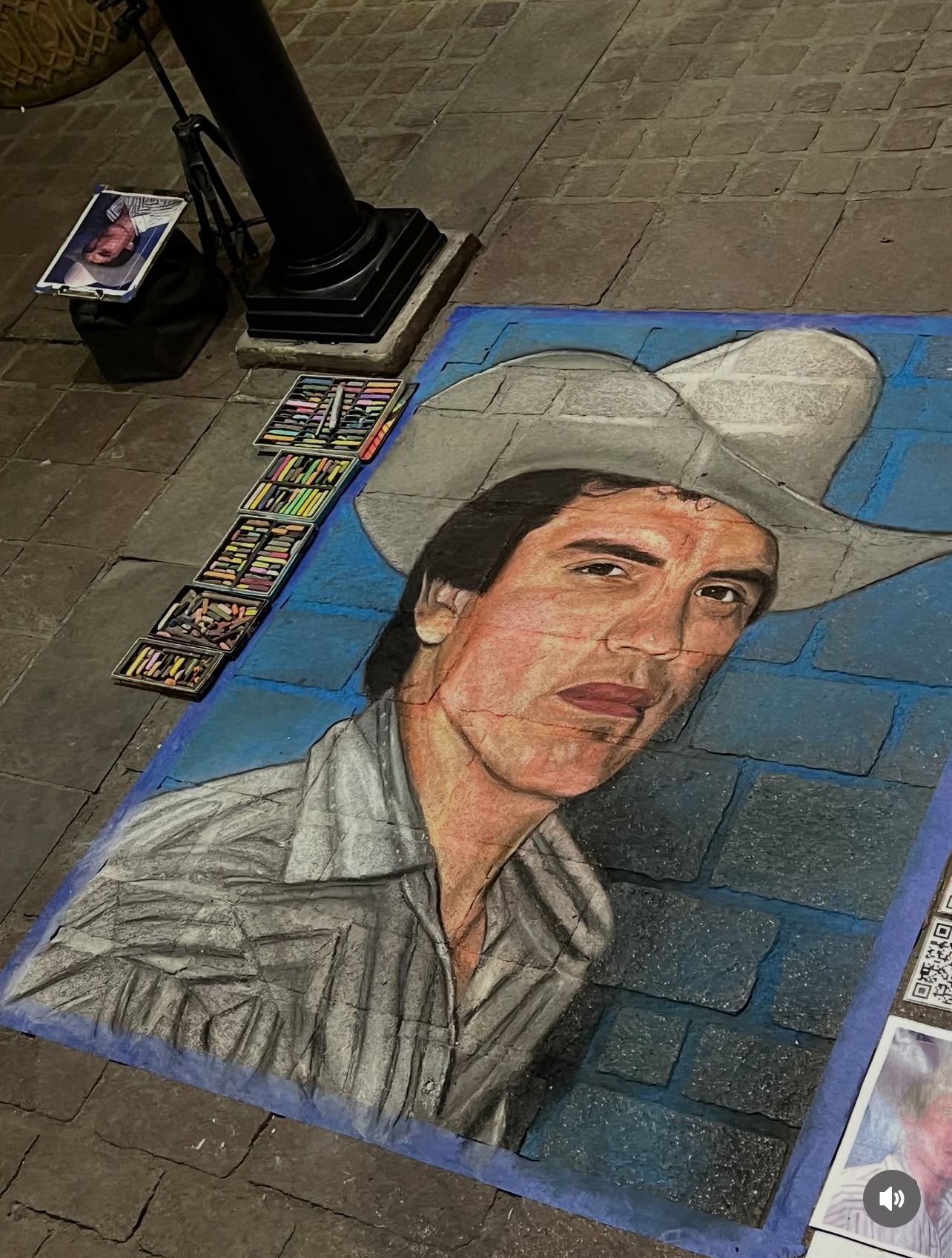
In the late 1970s, Chalino crossed the border and settled in Los Angeles. Like many immigrants chasing a better life, he started from the bottom. He worked several low-paying jobs, including washing cars, selling used items, and doing whatever he could to survive.
But life in Los Angeles introduced him to a vibrant Mexican immigrant community that loved music—especially corridos.
Corridos are traditional Mexican ballads that tell stories. These stories often revolve around real events, outlaws, heroes, struggles, migration, and life in the streets. Chalino would eventually change this genre forever.
How He Started Singing Corridos
Interestingly, Chalino Sánchez did not start as a professional singer. At first, he was writing songs for friends and acquaintances. Many people would pay him to write corridos about their lives—stories of survival, crime, migration, or personal victories.
These were not fictional songs. They were real stories about real people.
Eventually, Chalino began recording and performing them himself. Early in his career, his voice was considered rough and untrained. Critics said he didn’t sing like traditional musicians.
But that became his biggest strength.
His voice sounded authentic, raw, and real—exactly like the stories he was telling.
This authenticity connected deeply with Mexican immigrants living in the United States who saw their own struggles reflected in his music.
Rise to Fame

Chalino’s popularity grew quickly throughout Mexican communities in California and beyond. His music circulated widely through:
- Small concerts
- Parties
- Swap meets
- Street cassette sales
Unlike mainstream artists backed by major labels, Chalino’s fame spread through word of mouth.
One important moment in his career came when he started performing frequently in nightclubs across Southern California. Fans loved that he would sing corridos requested by audience members—sometimes even songs about people present at the show.
This made his concerts feel personal and unpredictable.
By the late 1980s and early 1990s, Chalino Sánchez had become a cult hero in regional Mexican music.
The Famous Shooting Incident on Stage
One of the most talked-about moments in Chalino’s life happened during a concert in 1992 in Coachella.
During the performance, a man in the audience shot at Chalino. The singer was wounded but survived. Instead of ending his career, the incident only increased his reputation as a fearless figure connected to the dangerous world his songs described.
Many fans saw him as someone who truly lived the stories he sang.
This blurred line between music and real life made him even more legendary.
His Unique Style and Impact

Chalino Sánchez changed corrido music in several ways:
1. Real-Life Storytelling
He focused on contemporary stories—drug traffickers, migrants, and street life—rather than historical heroes.
2. Raw Vocal Style
His voice wasn’t polished, but it felt honest and emotional. Fans connected with that authenticity.
3. Independent Success
He built fame without the traditional music industry system.
4. Voice of the Immigrant Community
For many Mexican migrants in the U.S., Chalino represented their struggles, fears, and dreams.
Today, many modern corrido artists credit him as a major influence.
The Night That Became Part of Music History
Chalino Sánchez’s story took a dramatic and tragic turn in May 1992.
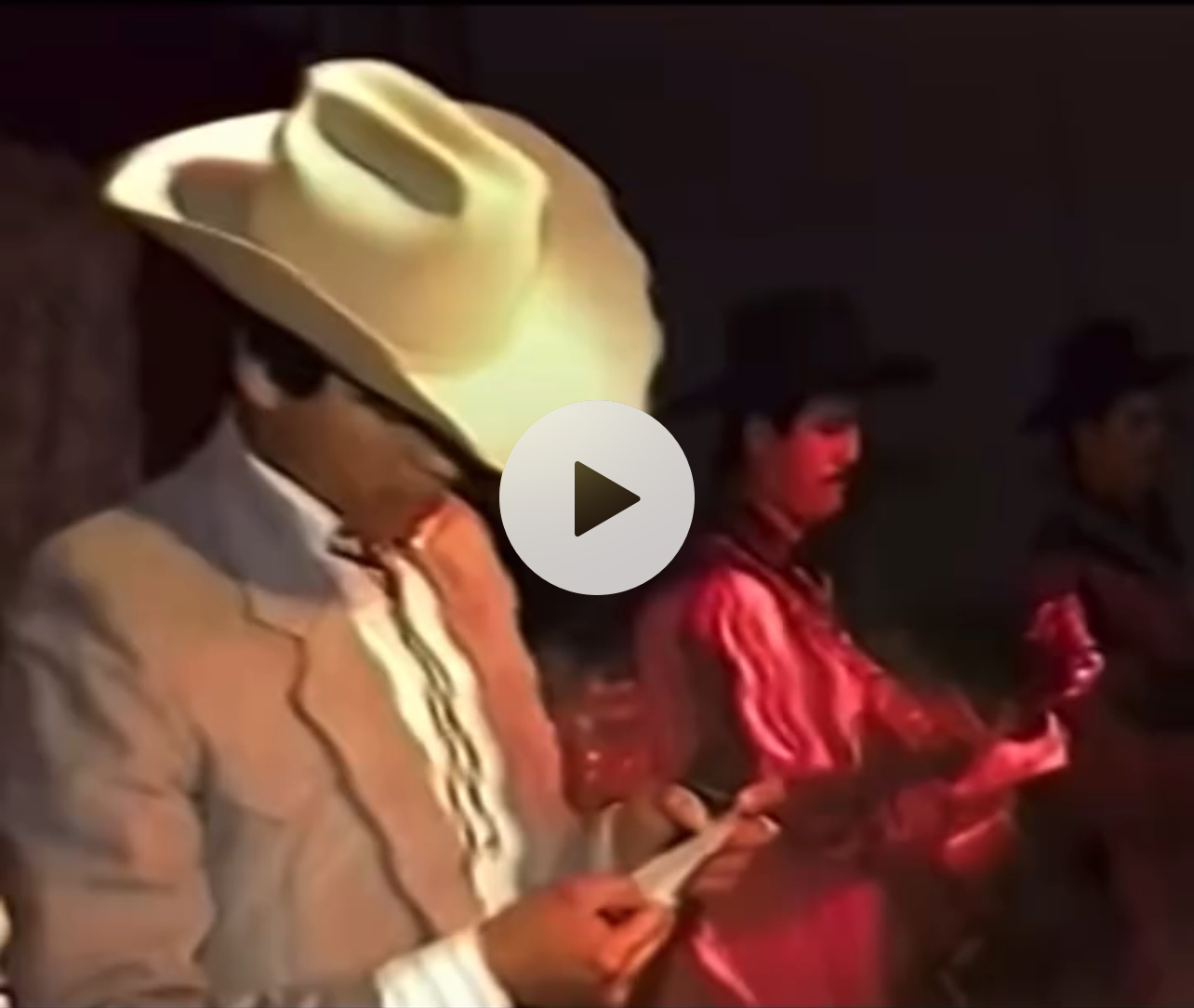
He traveled back to Sinaloa to perform at a concert in the city of Culiacán. During that show, something strange happened—someone handed him a note while he was on stage.
Videos from that performance show Chalino reading the note and looking visibly nervous, but he continued singing.
That moment later became one of the most analyzed scenes in Latin music history.
Fans and investigators have speculated about what the note said, but no one knows for sure.
Kidnapping and Death
After the concert, Chalino left the venue late at night. On the road, he was reportedly stopped by individuals claiming to be police officers.
He was taken away.
The next morning, his body was found by the roadside outside the city.
He had been shot.
Chalino Sánchez was only 31 years old.
His murder was never officially solved, and many theories still circulate today. Some believe it was related to people mentioned in his songs, while others think it was connected to conflicts from his past.
The mystery surrounding his death only made his legend grow.
Legacy and Influence

Even decades after his death, Chalino Sánchez remains one of the most influential figures in regional Mexican music.
His legacy includes:
- Inspiring the modern corrido movement
- Influencing new styles like narcocorridos
- Becoming a cultural icon among Mexican and Latino communities
- Continuing to gain millions of new listeners online
Artists today still perform his songs, and younger audiences continue discovering his music through social media and streaming platforms.
Many fans say Chalino didn’t just sing corridos—he lived them.
Why Chalino Sánchez Is Still Famous Today
Several reasons explain why his legend continues to grow:
- His life story feels cinematic and dramatic.
- His music represented real struggles people relate to.
- The mystery of his death still fascinates fans.
- His authenticity set him apart from traditional artists.
- Social media has revived interest in his story.
In many ways, Chalino Sánchez became more than a singer—he became a symbol of resilience, danger, and truth in storytelling.