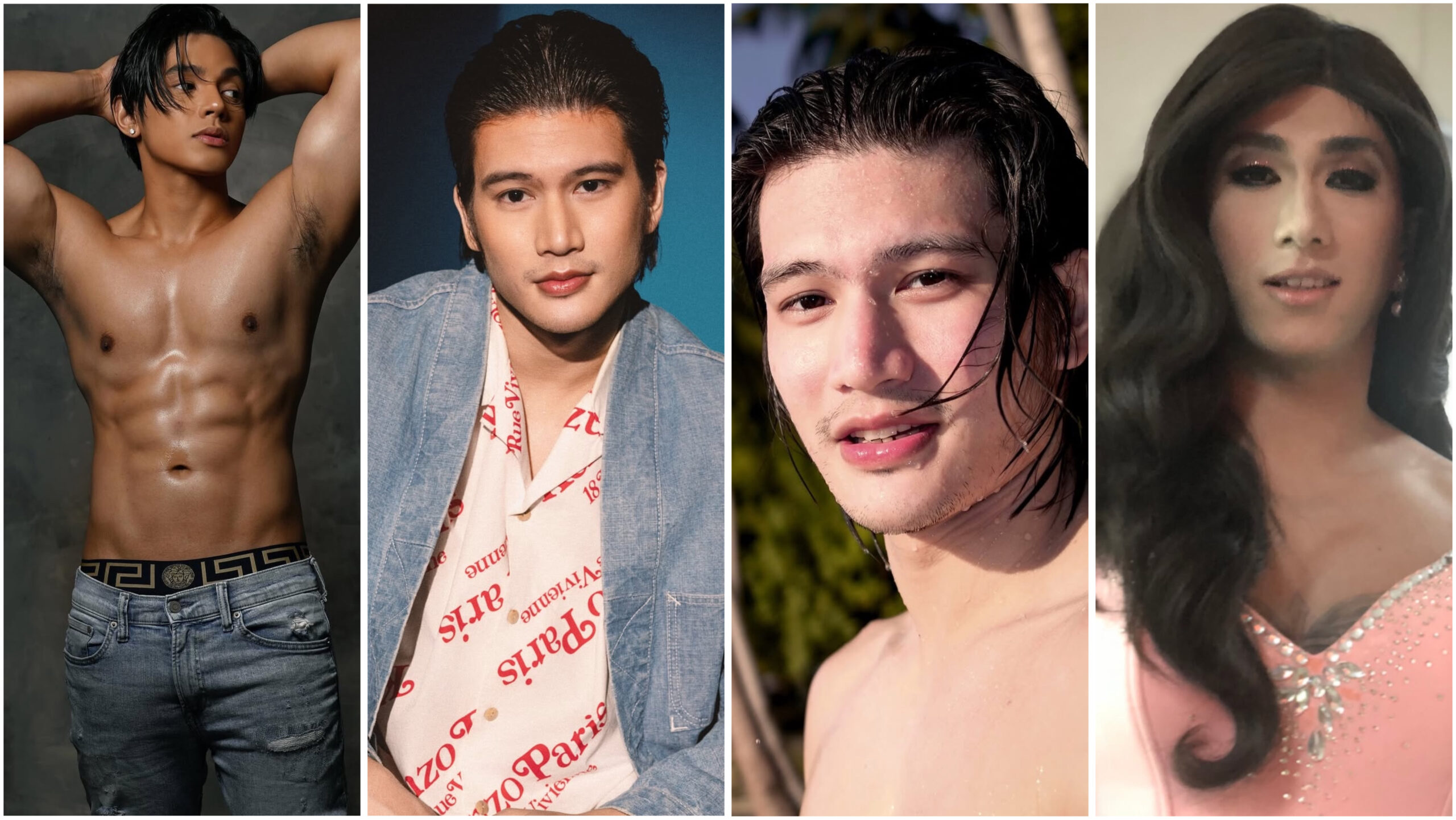


The ‘Big Four’ Controversy: What Is Really Happening With Nikko Natividad, Arron Villaflor, Gil Cuerva, and Ron Angeles?
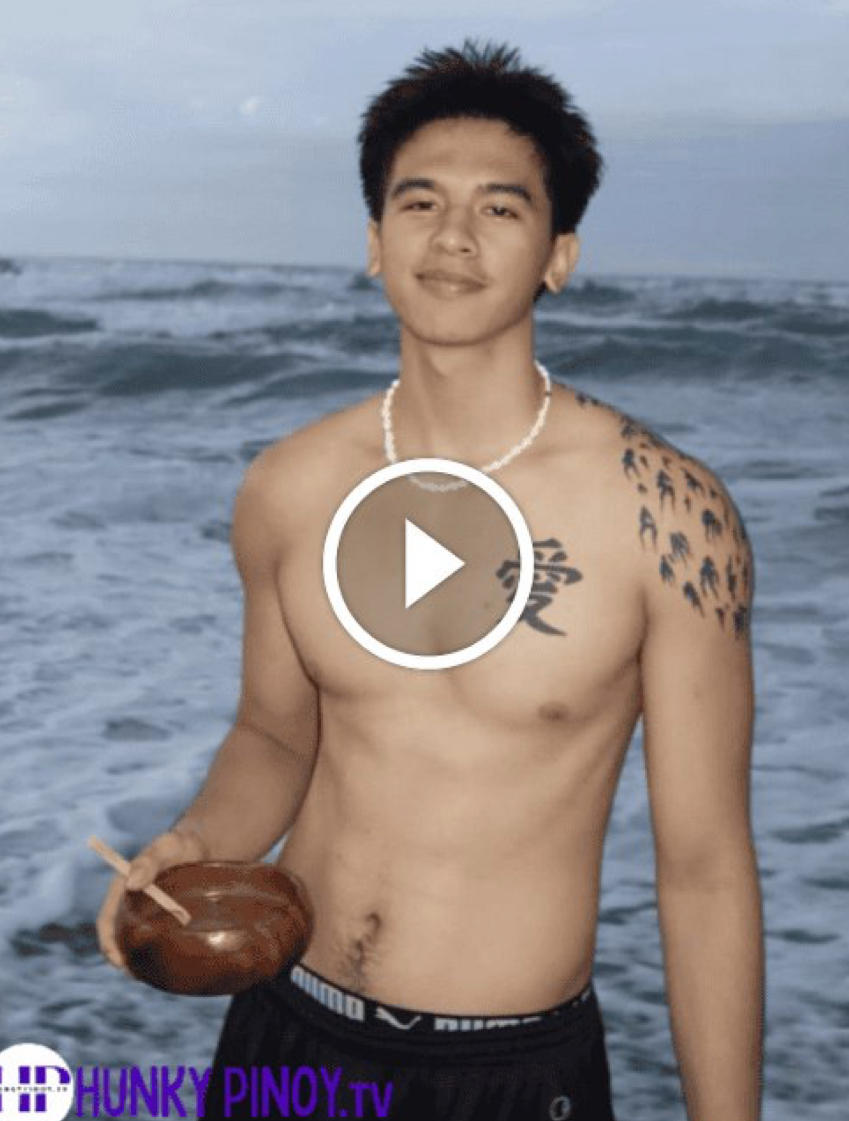
What You Need To Know About The Trending Videos Related To Those Actors
A wave of unverified viral content has swept Philippine social media — but before you click, here is everything you need to know about the actors at the center of the storm, the platform fueling the buzz, and the very real risks hiding behind the trending hashtags.
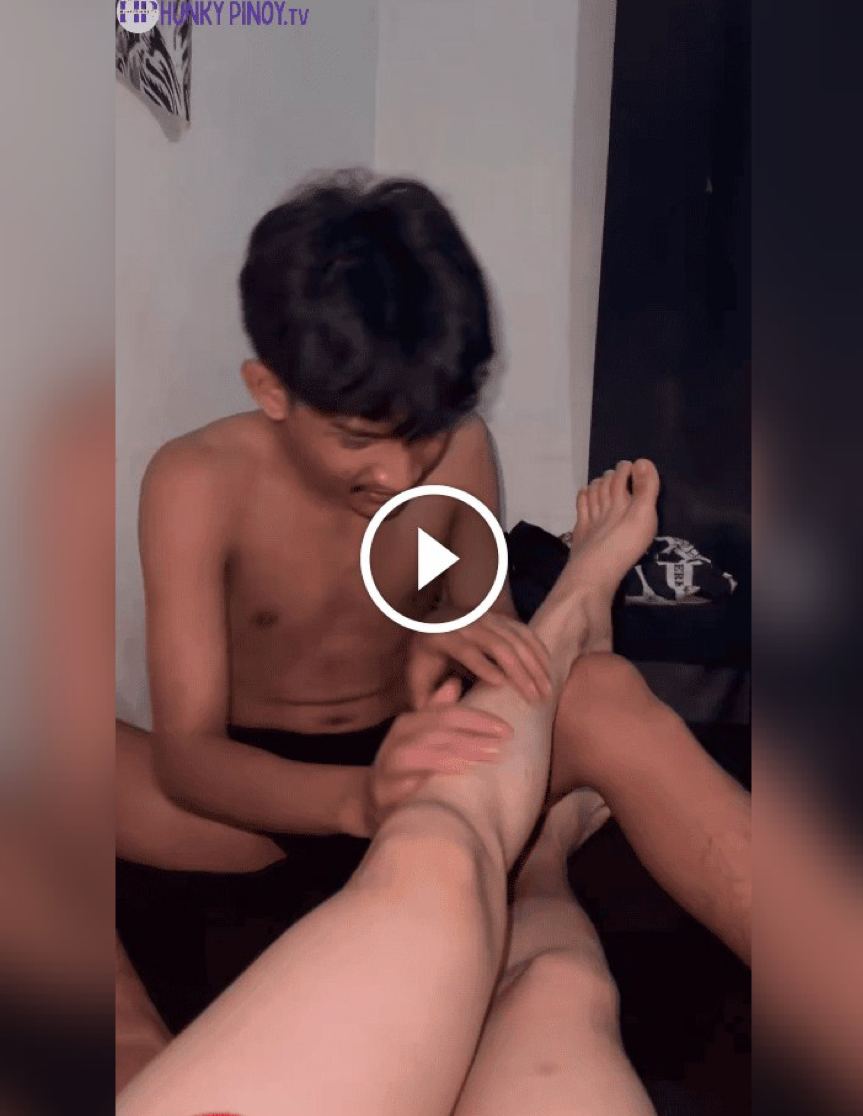
In the blink of an eye, four names became impossible to ignore on Philippine social media. By the last week of February 2026, Nikko Natividad, Arron Villaflor, Gil Cuerva, and Ron Angeles were all trending simultaneously — not because of a new film, a breakout performance, or a career milestone, but because of a wave of unverified viral content that exploded across X (formerly Twitter), Facebook, and TikTok. Netizens quickly coined the phrase “Big Four,” and the label stuck, turning a murky online rumor into one of the biggest entertainment talking points of early 2026.
At the heart of this viral firestorm is a website called Hunky Pinoy — a platform that has been widely cited in discussion threads and social media posts as one of the primary hubs aggregating trending Filipino celebrity content. But as the noise grew louder and the curiosity intensified, a critical question got buried beneath the memes, the screenshots, and the speculation: Is any of this actually real?

The answer, according to credible media observers and digital experts, is far less scandalous than the online chatter suggests — and the story behind the story is far more important than the viral content itself. This article breaks down everything you need to know: who these actors are, what the Hunky Pinoy website actually is, how each of the four men have responded, and why the real danger here has nothing to do with the celebrities at all.
What Is the Hunky Pinoy Website?
The Hunky Pinoy website is an online platform that aggregates viral clips, gossip, and social media buzz centered on Filipino male celebrities and public figures. In the digital age, these kinds of sites are nothing new — they occupy a corner of the internet that thrives on celebrity culture, trending content, and the insatiable appetite of online audiences for anything tagged as exclusive, private, or leaked.
In recent weeks, the platform surged in visibility after being cited repeatedly in viral discussion threads claiming it hosted or linked to alleged private videos of several well-known actors. The combination of celebrity names, suggestive language, and the promise of exclusive content is a proven formula for explosive online traction — and in this case, it worked exactly as that formula predicts.
However, it is essential to apply critical thinking before engaging with sites of this nature. Content aggregators that rely on salacious or unverified material frequently operate in legally and ethically murky territory. They often use celebrity names as clickbait to drive traffic, regardless of whether the content they advertise is genuine, fabricated, or outright stolen from other sources. In the case of the Big Four controversy, no reputable Philippine news outlet has independently verified any of the claims being made about the content hosted on or linked from Hunky Pinoy.
The ‘Big Four’ Phenomenon: How Did It Start?
The Big Four label emerged organically from Filipino netizen culture — a community that has a long and well-documented history of creating nicknames, hashtags, and group labels for trending topics with remarkable speed. In late February 2026, screenshots, links, and whisper-network rumors began circulating almost simultaneously involving all four actors: Nikko Natividad, Arron Villaflor, Gil Cuerva, and Ron Angeles.
The simultaneous nature of the trending was itself unusual — and perhaps telling. In the world of online misinformation, coordinated drops of unverified content involving multiple public figures at once can be a hallmark of deliberate smear campaigns or viral marketing tactics designed to manufacture maximum engagement. When four names trend together, each one amplifies the others, creating a feedback loop that keeps all of them in the public conversation far longer than any single allegation would on its own.
Digital media analysts note that the vacuum created by a lack of official statements from the actors or their management in the early hours of a controversy like this is often filled instantly by speculation, fabricated details, and increasingly elaborate rumors. That vacuum is precisely what content farms and aggregator sites exploit — and it is what turned four trending names into a national conversation almost overnight.
Who Are the Four Actors?
Arron Villaflor

Of the four actors named in this controversy, Arron Villaflor has been the most vocal in his response. The actor — who was in the middle of press activities for his film Pater Noster at the time the controversy broke — addressed the viral content directly and with notable firmness. Speaking at a press event, Villaflor categorically denied any involvement with alleged private videos and described what had been circulating online as a smear campaign designed to damage his reputation.
More significantly, Villaflor asserted that the visuals being pointed to as allegedly private content were simply clips from his legitimate film roles — scenes he performed professionally as an actor that had been stripped of context, repackaged, and presented deceptively as something they were not. It is a tactic that has become increasingly common in online misinformation: taking publicly available footage of actors in dramatic or intimate scenes and recirculating it under a false “private” framing to generate scandal.
Villaflor’s decision to speak out directly was praised by fans and observers alike as a transparent and dignified response to what is, by any measure, a deeply invasive situation for any public figure to navigate.
Ron Angeles
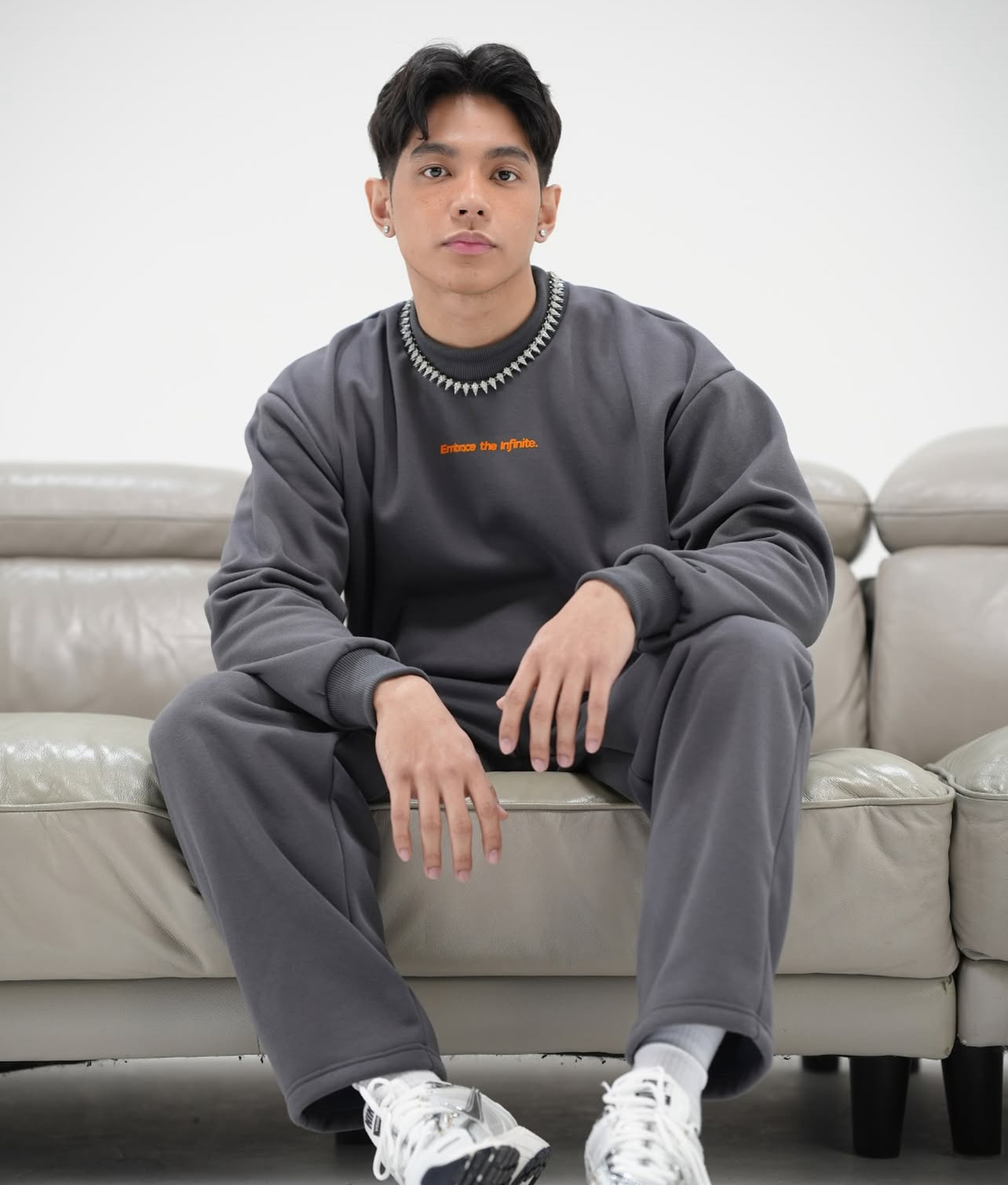
Ron Angeles took a markedly different approach to the chaos swirling around him. Rather than issuing a formal denial or engaging directly with the specifics of the allegations, the actor posted lifestyle photos on social media accompanied by a breezy, unbothered caption: “Relax lang kayo d’yan” — loosely translated as “Just relax, everyone.” The message was clear: he was not rattled, and he was not about to let viral noise derail his composure.
While some online observers felt that a more direct statement was warranted, many fans interpreted Angeles’ attitude as a confident refusal to dignify baseless rumors with a detailed rebuttal. In the world of celebrity crisis management, there is no single correct approach — and the choice to project calm over alarm can itself be a powerful communicative act.
Gil Cuerva

Gil Cuerva has remained largely silent on the matter, offering no public statement as of the time of writing. His silence has been interpreted in a variety of ways by different corners of the internet — from expressions of solidarity from fans urging people to leave him alone, to the inevitable speculation that tends to fill any void left by a public figure in the middle of a controversy.
What is important to emphasize here is that silence is not an admission. In situations involving unverified content — especially content that may be manipulated, fabricated, or deepfake in nature — a public figure’s decision not to comment is entirely valid and, in many cases, legally advisable.
Nikko Natividad
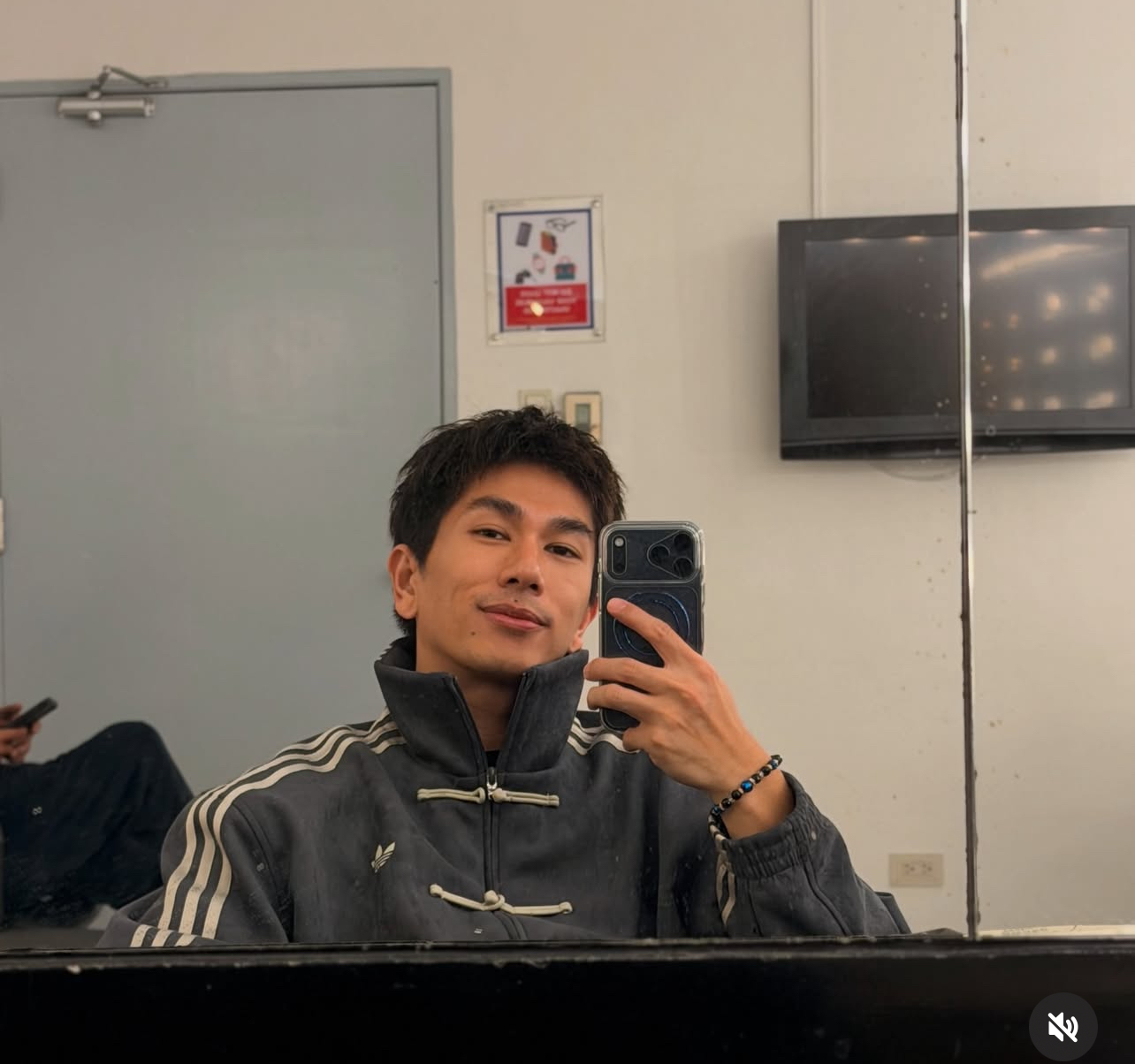
Similarly, Nikko Natividad has not addressed the controversy with a direct public statement. However, some emotional and cryptic social media posts from the actor in the days surrounding the controversy’s peak have been interpreted by followers as oblique references to the situation — though Natividad has not confirmed or denied that connection, and reading personal distress into any public figure’s posts during a high-pressure media moment should always be done with caution and empathy.
The Deepfake Problem: Why You Cannot Trust What You See
Perhaps the most important angle of the Big Four story is one that has received the least attention in the frenzy of viral sharing: the very real and rapidly growing problem of deepfake content and AI-generated media being weaponized against public figures.
Deepfake technology — which uses artificial intelligence to superimpose a person’s likeness onto another body or to generate entirely synthetic but photorealistic video — has become disturbingly accessible. What once required sophisticated computing infrastructure and expert knowledge can now be accomplished with consumer-grade software and a modest internet connection. The results, particularly for non-expert viewers, can be almost indistinguishable from genuine footage.
Independent reporting on the Big Four controversy has noted that some of the circulating material may fall into exactly this category — AI-generated or AI-manipulated content that uses the faces or likenesses of real people without their knowledge or consent. This is not merely an ethical problem, though it is certainly that. It is also a criminal one.
When consuming viral content, the single most important question any internet user can ask is: Has this been verified by a credible source? In the case of every piece of content circulating under the Big Four umbrella, the honest answer is a resounding no.
The Legal Stakes: What Philippine Law Says
This is not just an issue of online etiquette or digital responsibility in an abstract sense. Under Philippine law, the dissemination of private or sexual imagery without consent carries serious criminal penalties. Republic Act 9995, also known as the Anti-Photo and Video Voyeurism Act, explicitly criminalizes the publication, broadcast, or sharing of any photo or video depicting a person in a state of undress or engaged in sexual activity without their consent — regardless of whether the content was originally obtained with or without permission.
Beyond the question of criminal liability, there is the practical reality that many of the links circulating under the Big Four label may be designed not to deliver actual content, but to install malware, harvest personal data, or funnel unsuspecting users into subscription scams. In the economy of viral misinformation, the link is often the product — and the curiosity of the audience is the commodity being exploited.
Digital security experts consistently warn that clicking on links promoted via unofficial channels, content farm websites, and social media gossip threads carries substantial risk. Even if a user never downloads anything, visiting certain sites can expose them to tracking scripts, browser exploits, and phishing attempts. The safest course of action is simple: do not click.
Why This Story Matters Beyond the Celebrities
It would be easy to write off the Big Four controversy as just another celebrity gossip cycle — the kind of thing that trends for a week, fades from memory, and gets replaced by the next viral moment. But doing so would be a mistake, because the mechanics of what happened here tell us something important about the information environment we are all living in.
We are living in a moment when the tools to fabricate, manipulate, and distribute false content have never been more powerful or more accessible. We are also living in a moment when the social media platforms that carry this content are imperfect, often reactive, and unable to keep pace with the speed at which misinformation spreads. The gap between a viral post and a credible verification is measured not in days but in hours — and by the time the truth catches up, the damage is often already done.
For Nikko Natividad, Arron Villaflor, Gil Cuerva, and Ron Angeles, the personal cost of this controversy is real — regardless of whether any of the content being shared is genuine. Having your name attached to a viral scandal, even one based entirely on fabrication, reshapes public perception in ways that are difficult to reverse. The emotional toll on the individuals and their families is not something that gets captured in a trending hashtag.
The audience, too, has a role in this story. Every share, every click, every screenshot passed along in a group chat is an act of participation in the spread of content that has not been verified, may constitute a legal violation, and directly harms real people. Being an informed and responsible digital citizen means asking hard questions before hitting that share button — and sometimes it means choosing not to engage at all.
Final Thoughts: The Real Story Is About All of Us
The Big Four controversy is, at its core, a story about the collision of celebrity culture, digital misinformation, and the human instinct for curiosity. It is a story that will repeat itself — with different names, different platforms, and different pieces of alleged content — as long as the conditions that make it possible remain unchanged.
As of now, none of the alleged videos associated with Nikko Natividad, Arron Villaflor, Gil Cuerva, and Ron Angeles have been verified by any credible media outlet. The Hunky Pinoy website, and others like it, operate in a space where clicks matter more than truth and where the reputations of real human beings are treated as raw material for engagement metrics.
Arron Villaflor said it clearly: what was being shown to him was footage from his professional work, not his private life. Ron Angeles told the internet to relax. Gil Cuerva and Nikko Natividad are navigating this moment in their own way. What all four deserve — and what every public figure at the center of an unverified digital storm deserves — is the presumption of innocence, the dignity of accurate reporting, and an audience willing to pause before it participates.
The next time a trending topic lands in your feed with a promise of exclusive, private, or scandalous content — stop. Ask who benefits from you clicking. Ask whether any trusted journalist has confirmed what is being claimed. Ask what it says about you, and about all of us, if we choose curiosity over decency.
Because in 2026, the most important digital skill is not knowing how to find viral content. It is knowing when not to look.
Great post! We are linking to this particularly great post on our
site. Keep up the great writing.
Here is my homepage – BUY RIVOTRIL
Great delivery. Solid arguments. Keep up the great spirit.
Look into my homepage: Watch Shemale Hentai Videos
Thanks for sharing your thoughts about multivalence.
Regards
It’s remarkable to go to see this web page and reading the views of all friends concerning this article, while I am also keen of getting familiarity.
Adult content site offers a range of best free porn videos for adult entertainment.
Select reliable platforms for a safe experience.
I am sure this paragraph has touched all the internet people, its
really really fastidious post on building up new webpage.
my blog post :: buy cannabis online
Porn is available on various adult websites for entertainment.
Always choose reliable adult sjtes for a protected experience.
Feeel free to visit my page – buy viagra online
成人主题 在专为成熟观众设计的平台上广泛可用。选择
可靠的成人网站 以确保安全。
Feel free to surf to my blog post … sildenafil citrate online
I do not know whether it’s just me or if perhaps everybody else experiencing problems with your site.
It looks like some of the written text within your content are running off the screen. Can someone else please comment
and let me know if this is happening to them too?This might
be a problem with my browser because I’ve had this happen previously.
Kudos
成人内容平台 提供广泛的成人娱乐视频选择。选择 有保障的色情中心 以获得保密体验。
Also visit my web page … LESBIAN PORN VIDEOS
I think this is one of the most important information for me.
And i’m glad reading your article. But wanna remark on some general things,
The site style is wonderful, the articles is really great : D.
Good job, cheers
最佳成人网站 提供高质量的成人娱乐内容。选择 可靠中心 以获得安全且愉快的观看体验。
最新成人网站 提供创新的成人娱乐内容。发现 安全的新平台 以获得现代化的体验。
my blog; BUY RIVOTRIL
hey there and thank you for your info – I have certainly piccked up anything new from right
here. I did however expertise a few technical
points using this website, as I experienced to reload the web site a lot of times previous
to I could get it to load properly. I had been wondering if your web host is OK?
Not that I’m complaining, but sluggish loading instances
times will very frequently affect your placement in google and could damage your high-quality score if ads and marketing with Adwords.
Anyway I am adding this RSS to my e-mail and can look out for
much more of your respective interesting content. Ensure that you update this again very soon.
新鲜xxx平台 提供创新的成人娱乐内容。发现 有保障的色情中心 以获得现代化的体验。
My website lesbian porn videos
Howdy would you mind stating which blog platform you’re using?
I’m planning to start my own blog in the near future
but I’m having a difficult time deciding between BlogEngine/Wordpress/B2evolution and Drupal.
The reason I ask is because your layout seems different then most blogs
and I’m looking for something unique. P.S Sorry for being off-topic but I had to
ask!
Here is my web-site – lybrido