DGP Ramachandra Rao Video Viral: Full Story, Timeline, Official Response, and What We Know So Far
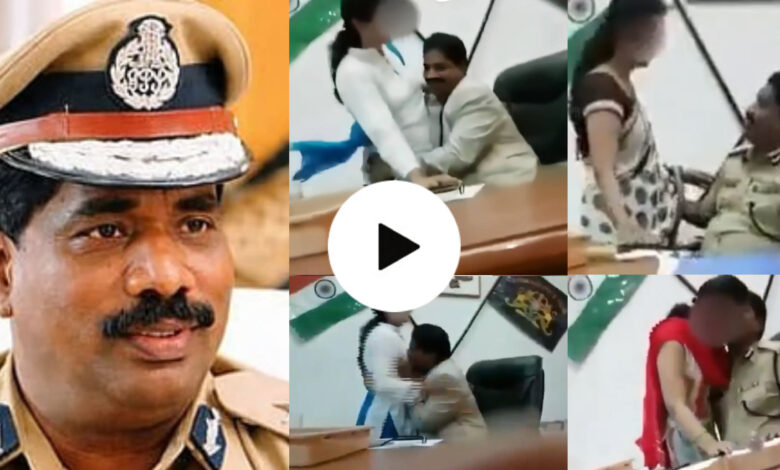
The keyword “DGP Ramachandra Rao video viral” has been trending heavily across Google and social media platforms after a controversy involving a senior Indian Police Service (IPS) officer erupted in Karnataka. The issue has drawn nationwide attention due to the officer’s high-ranking position and the serious administrative and ethical questions it raises.
This article explains what the viral video is about, how the controversy unfolded, the government’s response, Ramachandra Rao’s defense, and why the incident matters, while clearly separating allegations from verified facts.
Who Is DGP Ramachandra Rao?
K. Ramachandra Rao is a 1993-batch IPS officer who was serving as the Director General of Police (DGP), Directorate of Civil Rights Enforcement (DCRE), Karnataka. Over the years, he has held several senior policing roles in the state and is considered an experienced officer within the Karnataka police hierarchy.
Because of his rank, any controversy involving him carries significant administrative, political, and public consequences.
What Is the “DGP Ramachandra Rao Video Viral” Controversy?
The controversy began in mid-January 2026 when videos allegedly showing DGP Ramachandra Rao in a compromising situation with women inside his office started circulating widely on social media platforms such as X (formerly Twitter), WhatsApp, Instagram, and YouTube.
According to multiple media reports, the videos:
- Appear to have been recorded inside a government office
- Show multiple short clips, possibly from different dates
- Quickly went viral, triggering public outrage and political reactions
It is important to note that the authenticity of the videos has not been independently verified, and the matter is currently under official investigation .

Karnataka Government’s Immediate Action
Following the viral spread of the videos and widespread media coverage, the Karnataka state government placed DGP Ramachandra Rao under suspension on January 19, 2026.

Key Points From the Suspension Order:
- The suspension was issued under the All India Services (Conduct) Rules, 1968
- The government stated that the conduct shown in the videos, if proven, would be “unbecoming of a government servant”
- The suspension is pending a detailed inquiry
- Rao has been restricted from leaving headquarters without government permission
Officials clarified that the suspension does not imply guilt, but is a procedural step to allow a fair and unbiased investigation .

Ramachandra Rao’s Response: “Fabricated and AI-Generated”
DGP Ramachandra Rao has categorically denied all allegations linked to the viral videos.
In his public statements, he claimed:
- The videos are “fabricated, false, and manipulated”
- The content may have been created or altered using artificial intelligence
- The footage is part of a deliberate conspiracy to tarnish his reputation
- Some clips may be derived from old recordings dating back nearly eight years, taken out of context
Rao also reportedly sought legal remedies, including requesting restrictions on media broadcasting of the clips until their authenticity is proven .
Political and Public Reaction
Chief Minister’s Statement
Karnataka Chief Minister Siddaramaiah reacted strongly, stating that:
- No one is above the law
- Strict action will be taken if the allegations are proven true
- The government will not shield any officer found guilty after due process
This firm stance helped intensify public debate around accountability in high offices .
Public Debate
The incident sparked conversations on:
- Misuse of power by senior officials
- Workplace ethics in government institutions
- The danger of deepfakes and AI-generated content
- The role of social media in shaping public opinion before investigations conclude
Role of Social Media in the Viral Spread
The “DGP Ramachandra Rao video viral” issue highlights how rapidly unverified content can spread online. Within hours, the clips were:
- Shared across thousands of WhatsApp groups
- Uploaded by multiple YouTube channels
- Discussed widely on X and Facebook
Experts warn that while social media improves transparency, it also amplifies reputational damage, especially when allegations are still under investigation.
Investigation Status: What Happens Next?
As of now:
- A formal departmental inquiry is underway
- Digital forensic analysis is expected to examine whether the videos were edited or AI-generated
- Statements from relevant witnesses may be recorded
- Legal proceedings could follow depending on findings
Until the investigation is complete, the case remains sub judice, and no final conclusions have been drawn.
Why the “DGP Ramachandra Rao Video Viral” Case Matters
This case is significant because it:
- Involves one of the highest-ranking police officers in Karnataka
- Raises questions about ethical conduct in public office
- Highlights growing concerns around deepfake technology
- Demonstrates the power — and danger — of viral digital content
Regardless of the final outcome, the controversy is likely to influence future policies on digital evidence, media reporting, and internal government accountability.
Conclusion
The DGP Ramachandra Rao video viral controversy is a developing story that sits at the intersection of governance, technology, and public trust. While the Karnataka government has acted swiftly by suspending the officer pending inquiry, the truth will ultimately depend on the investigation’s findings.
Until then, the case serves as a reminder of the importance of due process, responsible media consumption, and caution in the age of viral content.