US and Israel Attack Iran: An Escalating Crisis Across the Middle East
Read More News Here

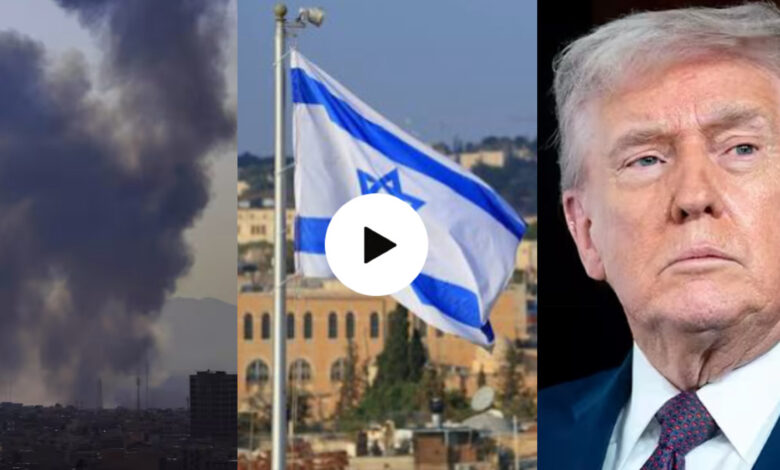
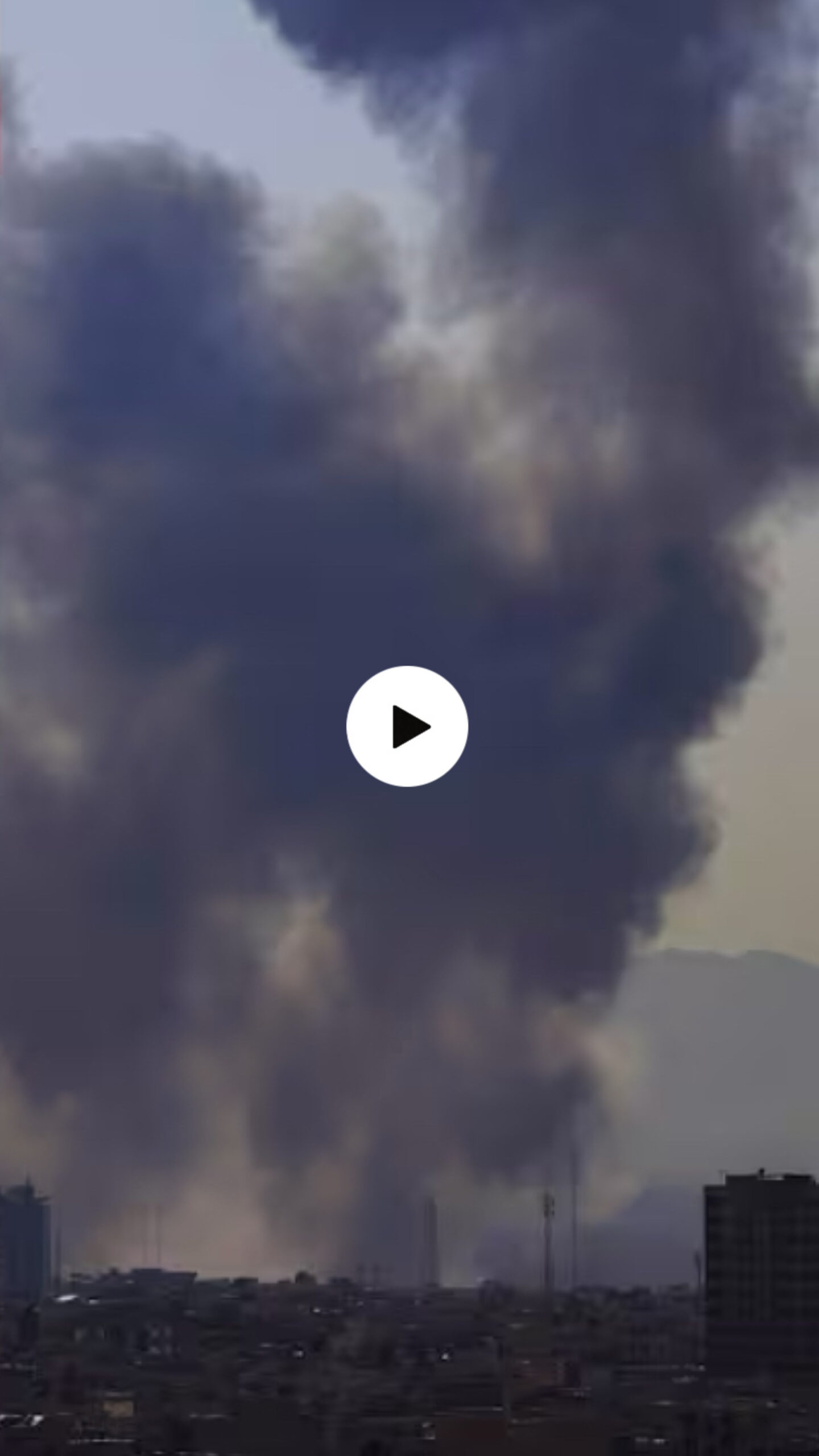
In the early hours of 28 February 2026, a major military escalation erupted in West Asia as the United States and Israel launched coordinated strikes against the Islamic Republic of Iran. Explosions were reported across Tehran and several other Iranian cities in what officials described as large-scale combat operations, triggering swift retaliation from Tehran and raising fears of a wider regional war.
The Attack Begins: Joint US-Israel Operation
Israeli authorities confirmed that the strike was a pre-emptive military offensive against Iranian targets, including strategic military infrastructure. Explosions were widely reported in the Iranian capital and other major population centers, and civil defense systems were activated domestically in Israel amid reports of incoming missiles.
The operation — referred to by Israeli officials as a “pre-emptive strike” — was reportedly planned in coordination with the U.S. administration for months and launched to counter perceived threats from Iran’s missile forces and nuclear aspirations.
U.S. President Donald Trump publicly stated that American forces had begun “major combat operations” in Iran, claiming the goal was to eliminate security threats to the United States and encourage internal political change within Iran.
Casualties and Civilian Impact
One of the deadliest individual incidents occurred in Southern Iran, where an airstrike struck a primary school in Minab province, killing at least 85 pupils, most of them girls, and injuring dozens more. Iranian officials condemned the strike as a “war crime” and a massacre of innocent children.

Across Iran, authorities reported hundreds of civilian casualties, with medical teams overwhelmed by the scale of destruction. Hospitals, residential areas, and critical infrastructure were among the numerous sites affected by the strikes.
Iranian Response: Missile and Drone Retaliation
Iran responded swiftly to the attacks with a series of missile and drone strikes aimed at both Israeli territory and U.S. military bases scattered throughout the Middle East, including in Gulf states that host American forces. Tehran vowed there would be “no leniency” toward its adversaries.
The Iranian government framed these reprisals as self-defense against what it described as unlawful aggression, rejecting claims that its military posed an imminent threat justifying the offensive. Iran’s foreign minister also called for international condemnation of the joint attack, asserting it violated international law.
Regional Security Escalates
Explosions and air-raid sirens were heard not only in Iran and Israel, but also in surrounding states, reflecting the broadening scope of the conflict. Local media reported incoming missiles near or over cities in multiple countries, and regional militaries activated air defense systems in response.
The presence of U.S. military assets across the Gulf means that multiple nations may now be drawn more directly into hostilities either through allied obligations or shared security concerns.
Political and Strategic Context
This strike represents one of the most significant military operations involving the U.S. and Israel against Iranian territory in decades. It follows years of escalating tensions between Tehran and Washington-aligned interests, rooted in disputes over nuclear and missile programs, regional proxies, and historical grievances.
Efforts throughout 2026 to negotiate limits on Iran’s nuclear and ballistic capabilities failed to yield a lasting diplomatic settlement, with each side accusing the other of bad faith. The resulting breakdown in talks provided fertile ground for more hard-line actions.
For Israel, the operation was described in official terms as necessary to neutralize long-standing threats to its national security posed by Iranian missile forces and regional proxies. For the United States, which has significant military forces deployed in the Middle East, the action was said to be part of a broader strategy to deter Tehran’s influence and capabilities.
International Reaction and Legal Questions
Global responses were immediate and mixed. Many governments called for restraint, warning that further escalation could have catastrophic humanitarian consequences and destabilize an already tense region. Others condemned the strikes as violations of international norms and the United Nations Charter.
Iran denounced the action as illegitimate and unprovoked, while U.S. and Israeli leaders defended it as lawful self-defense in the face of ongoing threats. The ambiguity around the legal basis for preventive strikes has been widely debated in international law circles.
What Happens Next?
As of now, the conflict remains actively unfolding, with no clear end in sight. Analysts warn that without de-escalation mechanisms or renewed diplomatic engagement, the situation could spiral into a protracted war involving multiple state and non-state actors.

Civilians across the region face increased danger, displacement, and disruption, while global oil markets and geopolitical alignments are already showing volatility in response to intensified conflict.





you are truly a good webmaster. The site loading velocity is incredible.
It kind of feels that you’re doing any unique trick. Also, The contents are masterpiece.
you have done a excellent task on this topic!
Here is my site: Buy Rivotril
Adult entertainment can be accessed through secure and reputable websites.
Explore reliable sources for quality content.
Look into my web-site buy valium online
Материалы для взрослых доступны на различных сайтах для взрослых в развлекательных целях.
Всегда выбирайте безопасные платформы для защищенного опыта.
my homepage ЖЕСТОКОЕ ПОРНО КЛИПЫ
I am in fact grateful to the holder of this web site who has shared this fantastic paragraph at at this place.
Heya i am for the primary time here. I came across this board and I to find It really useful & it
helped me out much. I’m hoping to offer something again and help
others like you helped me.